
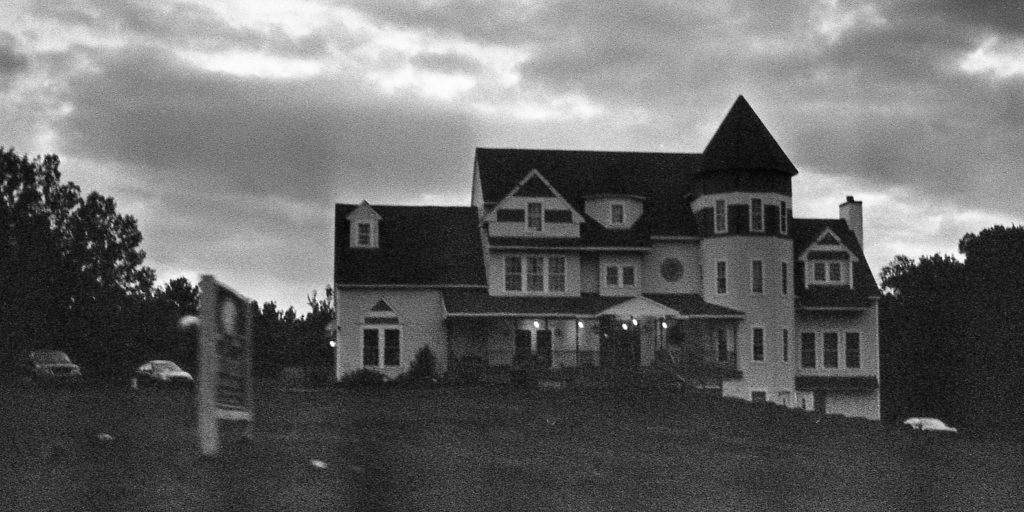
Well I wanted to experiment with pushing film. Unfortunately, I think I went way too overboard on my first try. I should have pushed by only a stop, maybe two. However, I went for three stops. So I had Fomapan 200 exposed at 1600.
The second problem I had was there were no published times for pushing Fomapan 200 to 1600 ISO for Rodinal. The Massive Dev Chart (https://www.digitaltruth.com/devchart.php) gives you all sorts of times for film/developer combinations. So I looked up a different film stock (I cannot remember which one it was) and found a set of stand developments for the film’s rated ISO and for when it’s pushed 3 times. The normal stand development was 1:100 at 60 minutes and the +3 push was 1:100 at 90 minutes. I carried them over to the Fomapan, which I believe was a mistake.
When I pulled the negatives out of the tank after fixing, they were VERY thin. I knew that these were going to be problematic. Now, I did get a lot of usable images out of the roll, but most are on the edge of being not useable. The shadows are badly crushed, and the grain is very prominent.


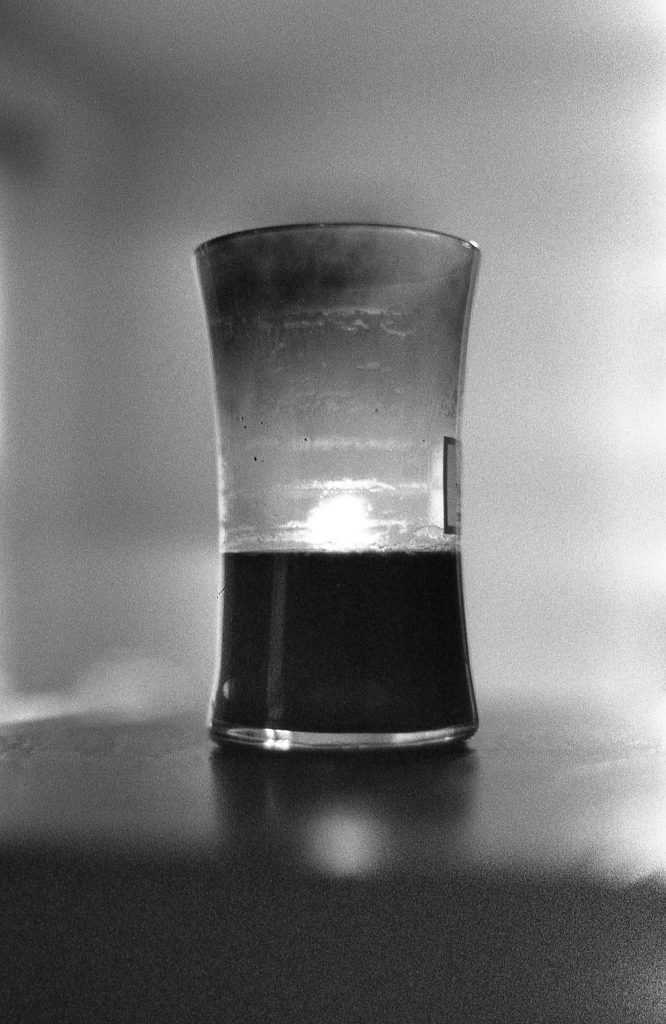
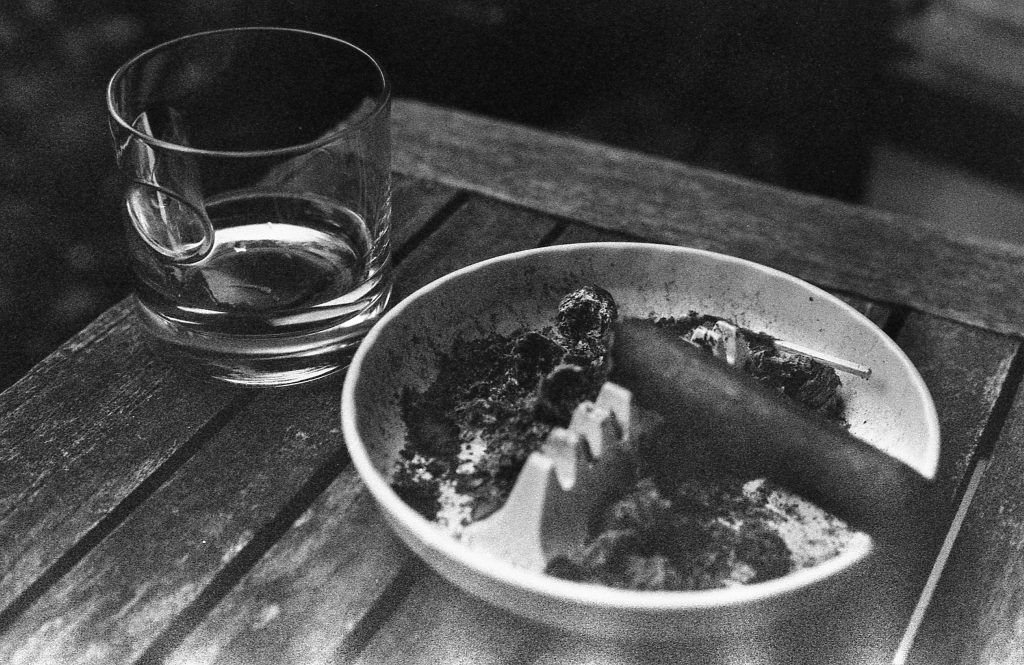
The third problem was with the banding around the sprockets. When I saw this yet again, I was sure I had no light leaks and figured that an actual light leak wouldn’t look like that. I also figured that Foma wouldn’t have that many bad rolls, so there had to be a different cause.
I came across a useful website pointing out common developing errors (
https://www.olympus-lifescience.com/en/microscope-resource/primer/photomicrography/bwprocessingerrors/ ), and it suggested that the cause of the banding was due to over-agitation. With that information, I’ve adopted an Ilford style of agitation, which is slower and less frequent. So far I have not had the same problem.
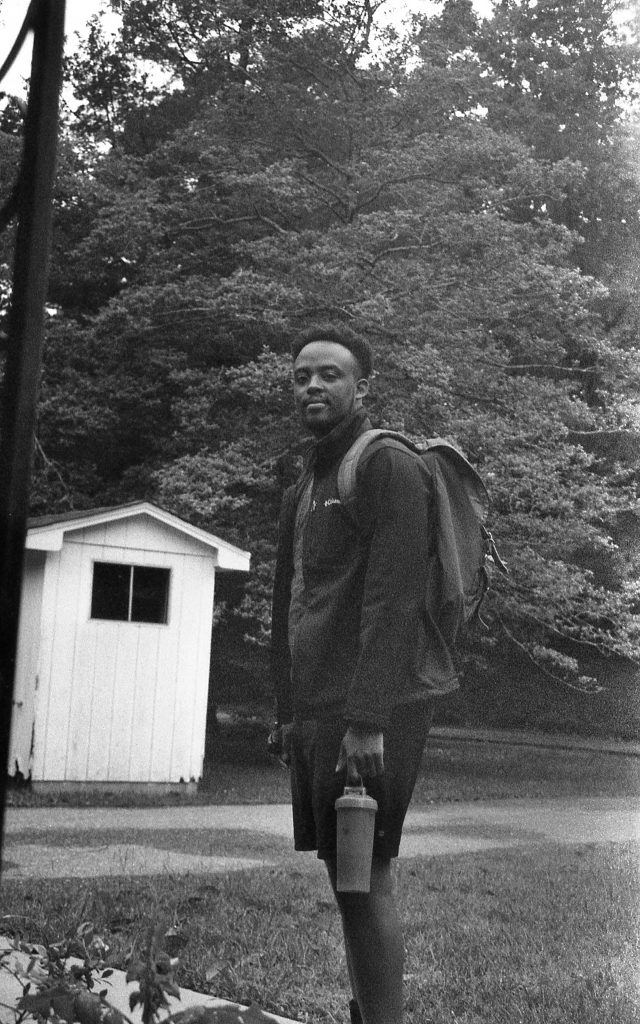
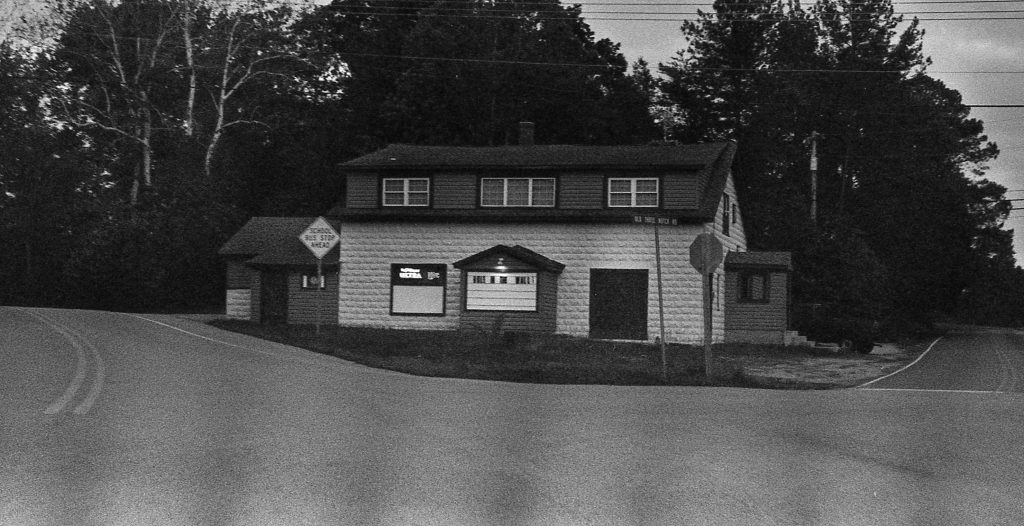
Development Details
- Film: Fomapan 200
- Camera ISO setting: 1600
- Developer: Rodinal
- Developer Dilution: 1:100
- Development Time: 90 minutes
- Development Agitation: Stand (20 inversions first minute, with 4 inversions after 45 minutes)