
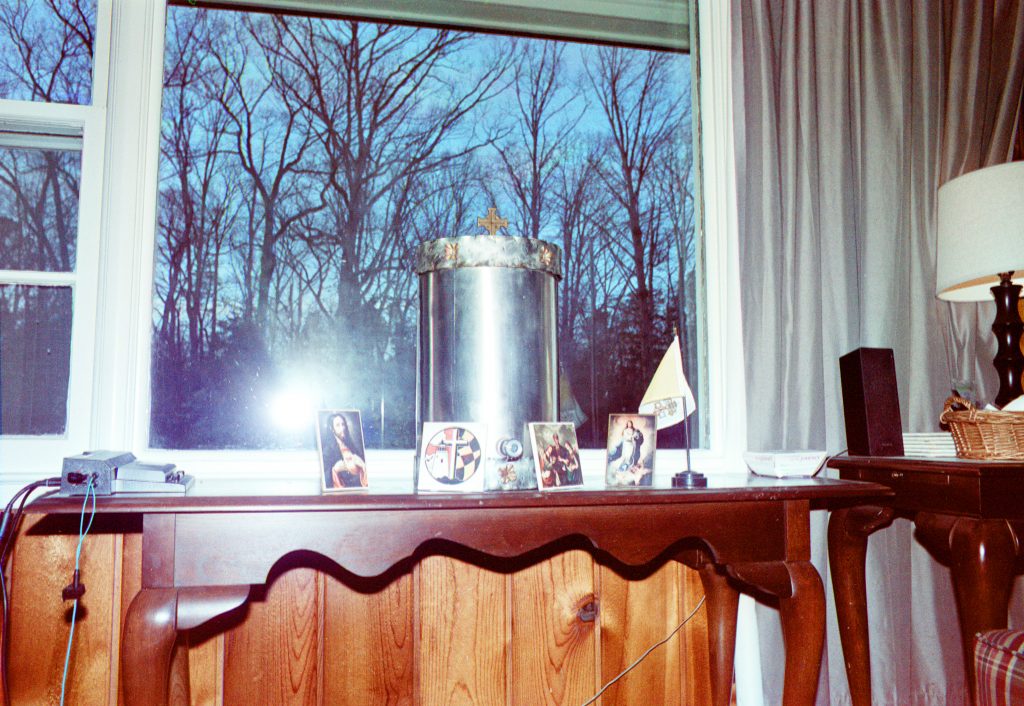
Believe it or not, you are not looking at a color photo. You’re actually looking at 4 black and white photos. Here are the 4 black and white photos below:
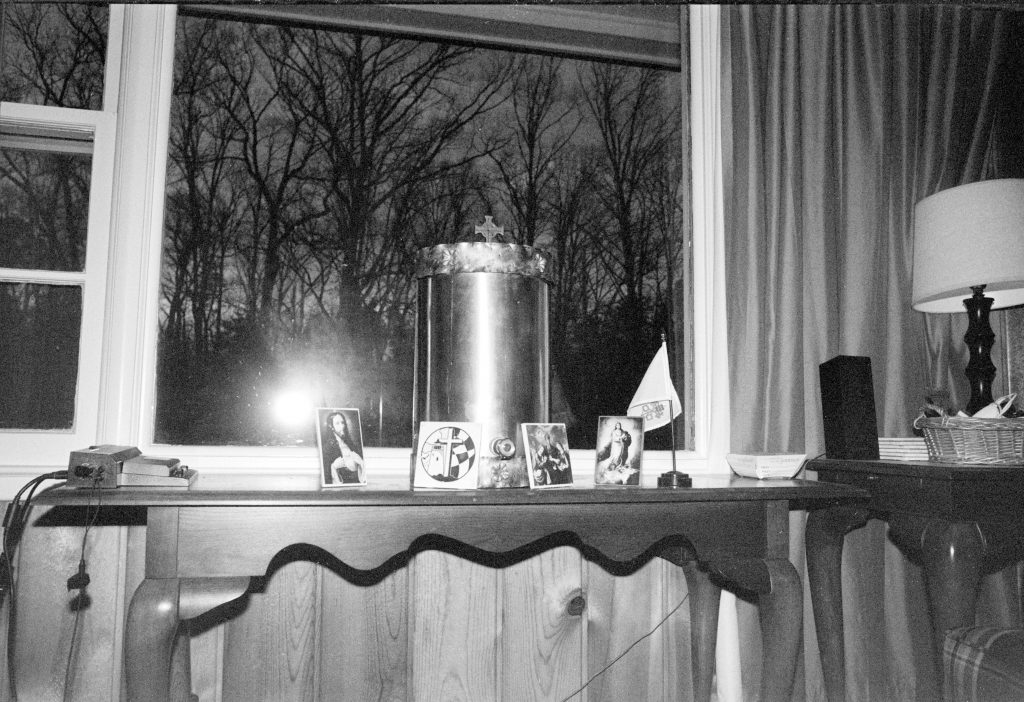
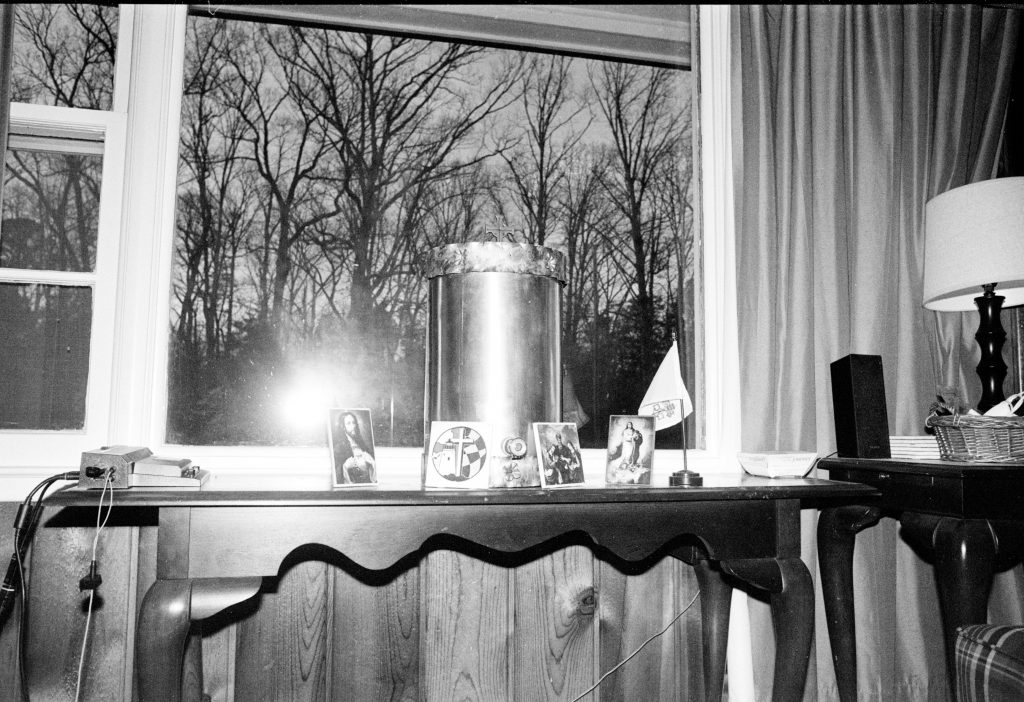
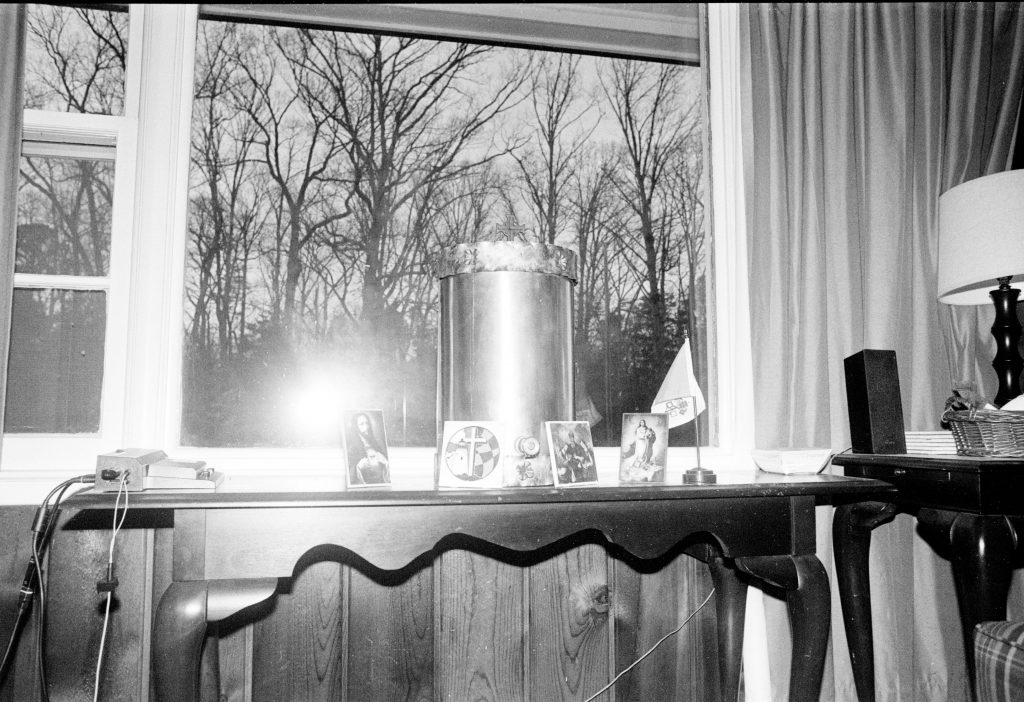
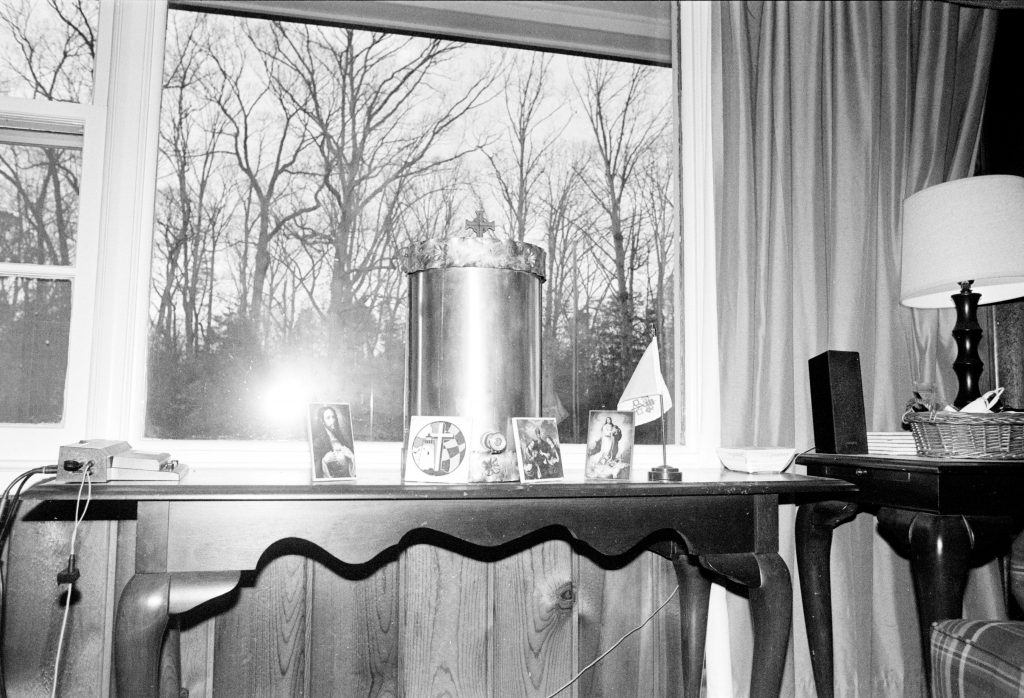
By taking separate pictures with the color filters, you’re able to combine them later into a color photo. Strictly speaking, you only need the three channels, but I added a regular black and white photo to add more definition and luminance of the photo. The human eye is more perceptive to brightness than it is to color, so hopefully that adds a little more definition to the photo.
The three color additive process was famously used by Sergey Prokudin-Gorsky. He, being an actual photographer, was able to produce highly detailed and vibrant color photos around 1910. Check out his Wikipedia article to look at some of his work: https://en.wikipedia.org/wiki/Sergey_Prokudin-Gorsky. Keep in mind that he took these pictures when Czar Nicholas II was ruling Russia!
I hastily put these together, but I was anxious to try this. The individual black and white photos don’t have any touch-up. So, you’re going to see a bunch of color splotches and scratches in each. I’ll probably go back and correct a whole bunch of things, including the overall color balance. For now, I’ll show you what I got.
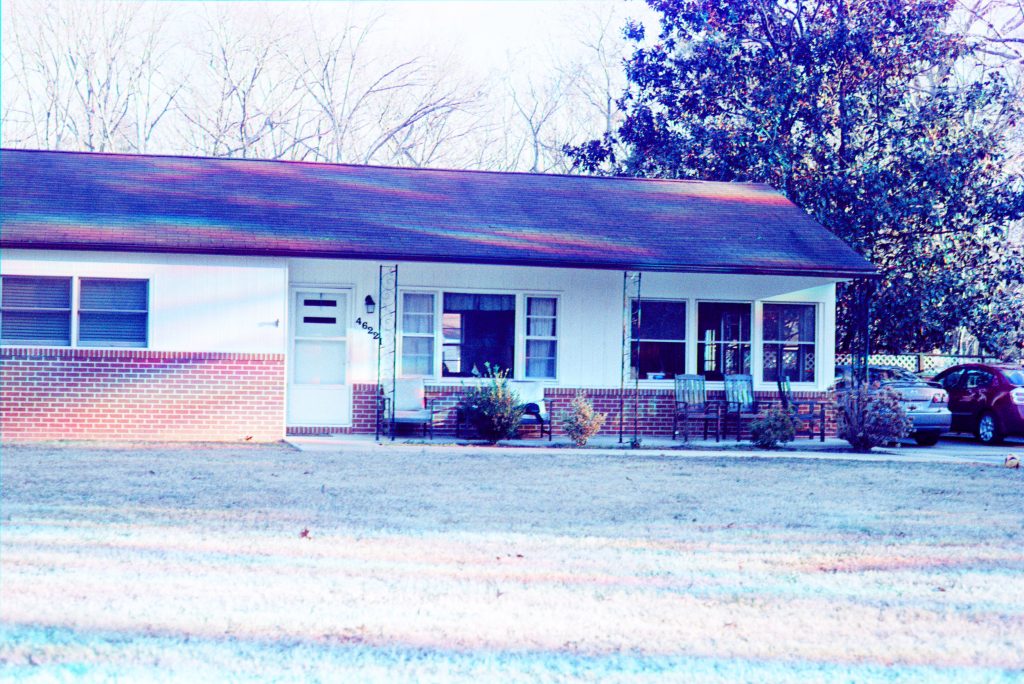
I only took eight outside photos (2 when combined), because I knew there would be a chance that ultra-violet light would leak through the filters. You can see what looks like a bunch of rainbow effects on the house and lawn. You can also see blue in the two chairs on the right where they should be brown.
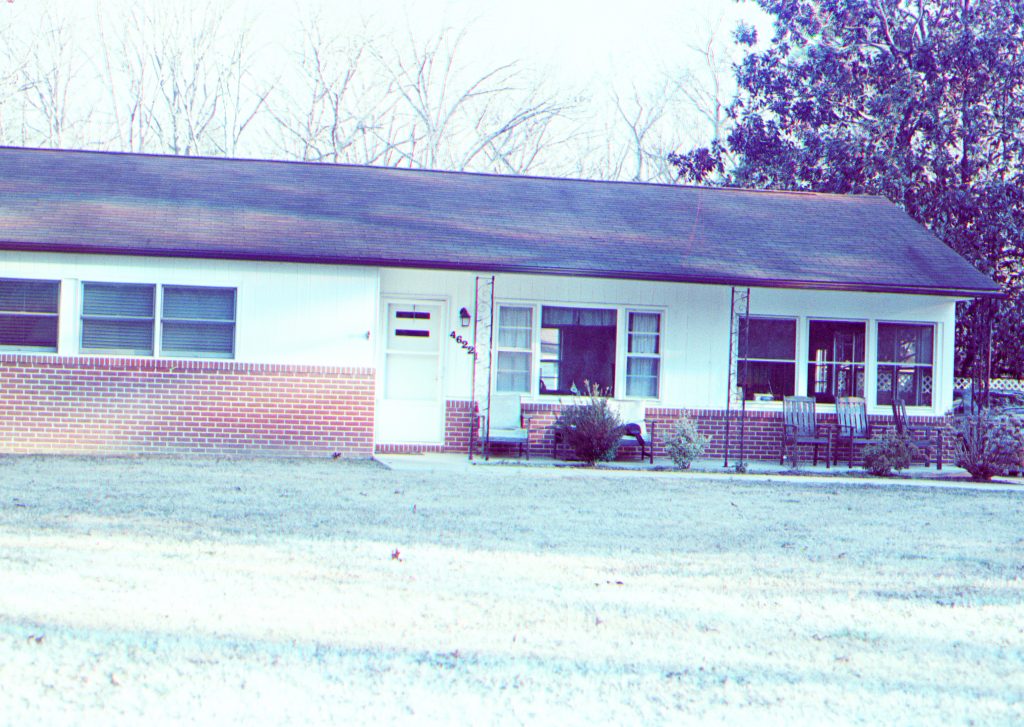
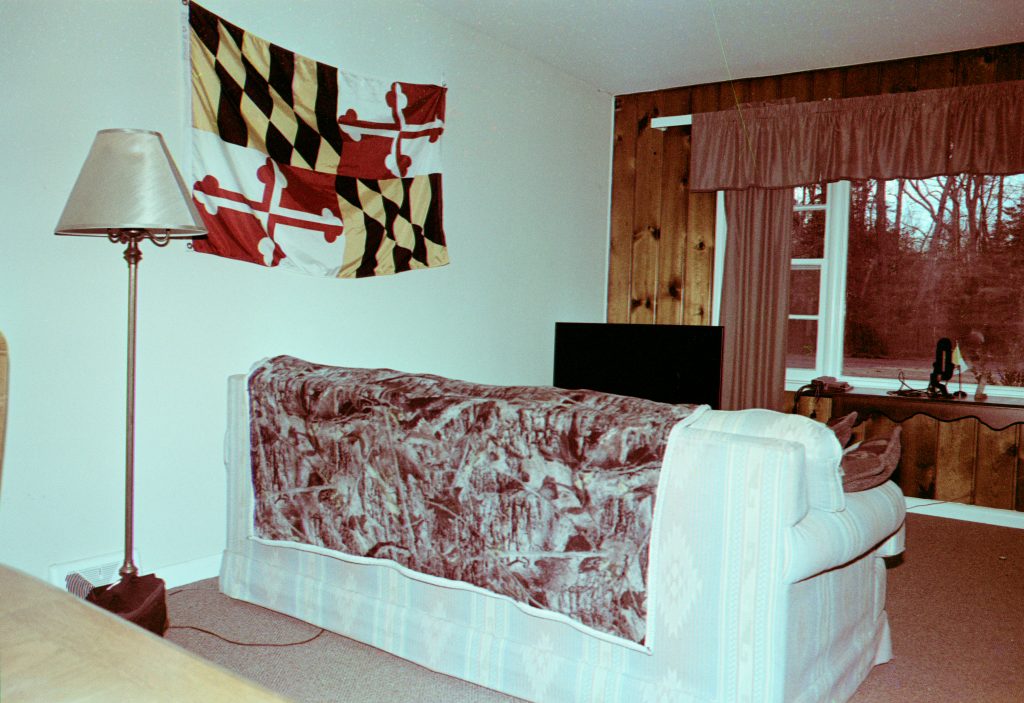
Moving indoors, I busted out the flash. I shot all of the pictures on Fomapan 100, so having the flash was essential.
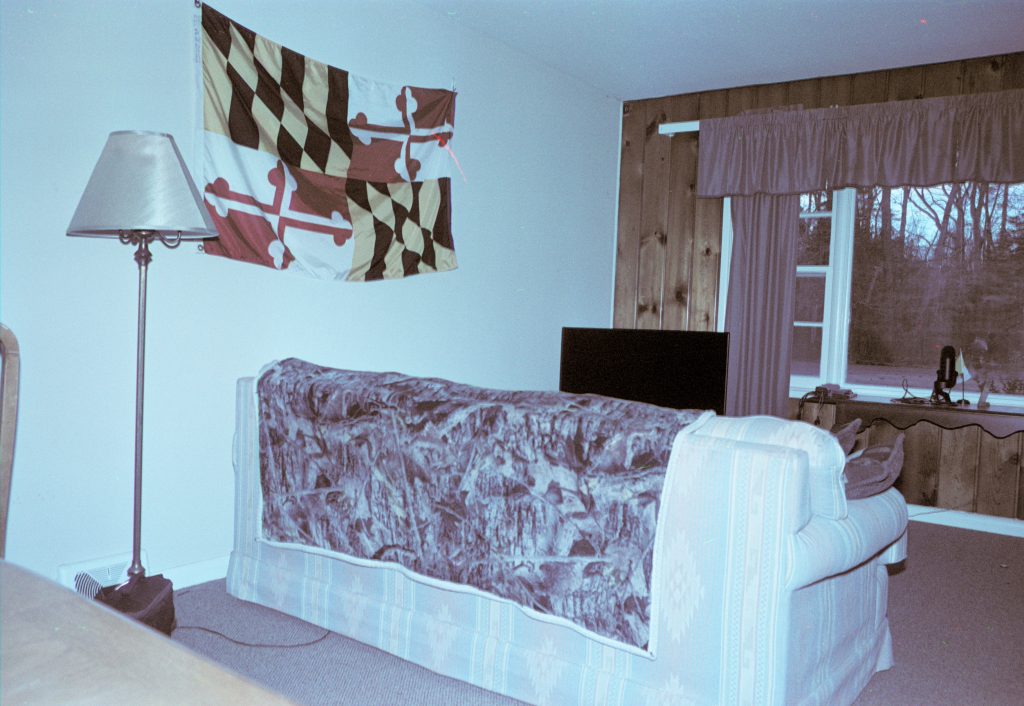
The red filter for most of the indoor pictures yielded very dark pictures. I’m not sure why. It may be the quality of my filter, as there isn’t a lot of blues and greens in the house.
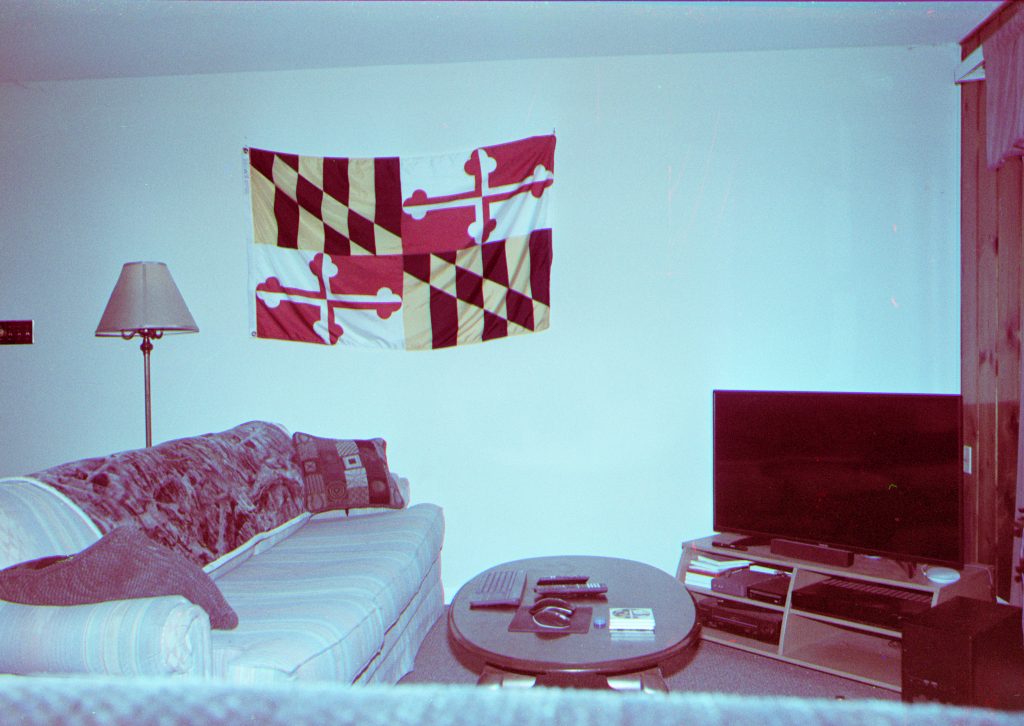
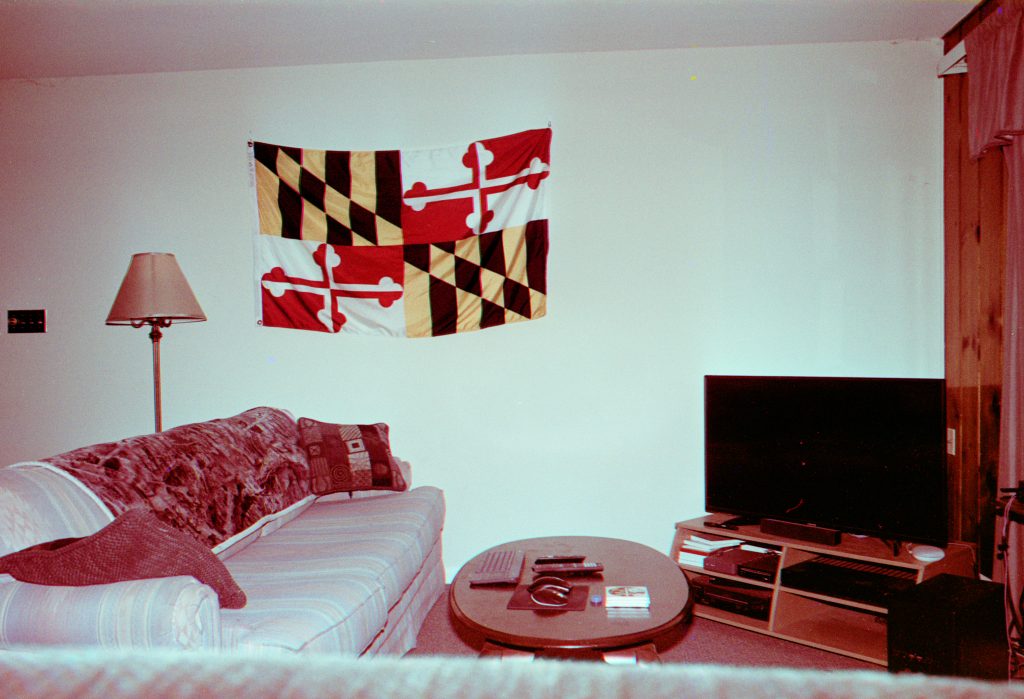
Color balance is all over the place. I’ll have to go back and re-adjust these to get a better overall vibrance and tint.
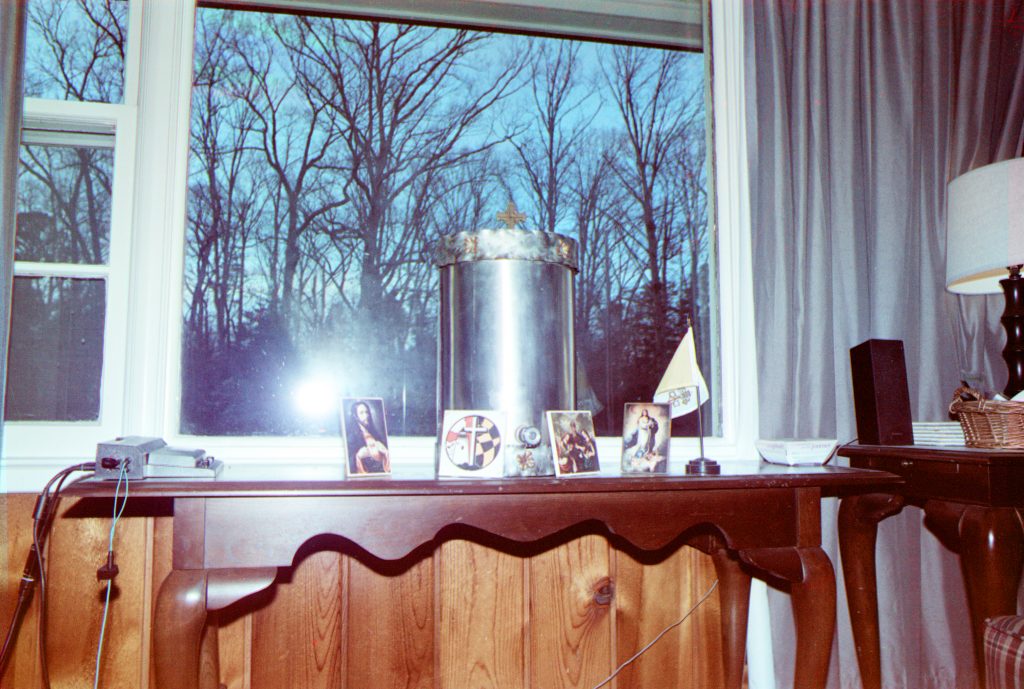
The last one is actually eight pictures instead of four. It’s a bit softer than the first picture. Since I was facing sunlight coming in from the window, I set my flash to manual and compensated for that. I think the results for both (or rather the twelve) were very good.
Development Details
- Film: Fomapan 100
- Camera ISO setting: 100
- Developer: Rodinal
- Development Time: 1 hour
- Development Agitation: Stand (20 inversions first minute only)