
Let’s try something different. I had one last roll of (slightly) expired Arista.EDU Ultra 400. We got another snow. So, it was a good time for another set of pictures. I wasn’t liking the grain and contrast the Arista was giving me, so I decided to experiment and pull the film one stop.
“Pulling” is where you treat a film as if it were a lower ISO. You then compensate for that by decreasing the development. The more common “pushing” is the opposite: you trade greater ISO film speed for more development (either in solution concentration or time).

The hope was to decrease the grain and get better contrast and detail. It improved things, but not as much as I was hoping. After shooting all of the Arista, I think that it wasn’t stored properly, and it was exposed to excessive heat.

I set the camera ISO to 200 (one stop down from 400). In developing, I used a 50:1 dilution of Rodinal for 5 and a half minutes, agitating for the first minutes and then every 30 seconds for about 10 seconds. I did this by inverting the tank several times.
I found a nifty site that has all sorts of development times and details. You can check it out here: https://www.digitaltruth.com/devchart.php

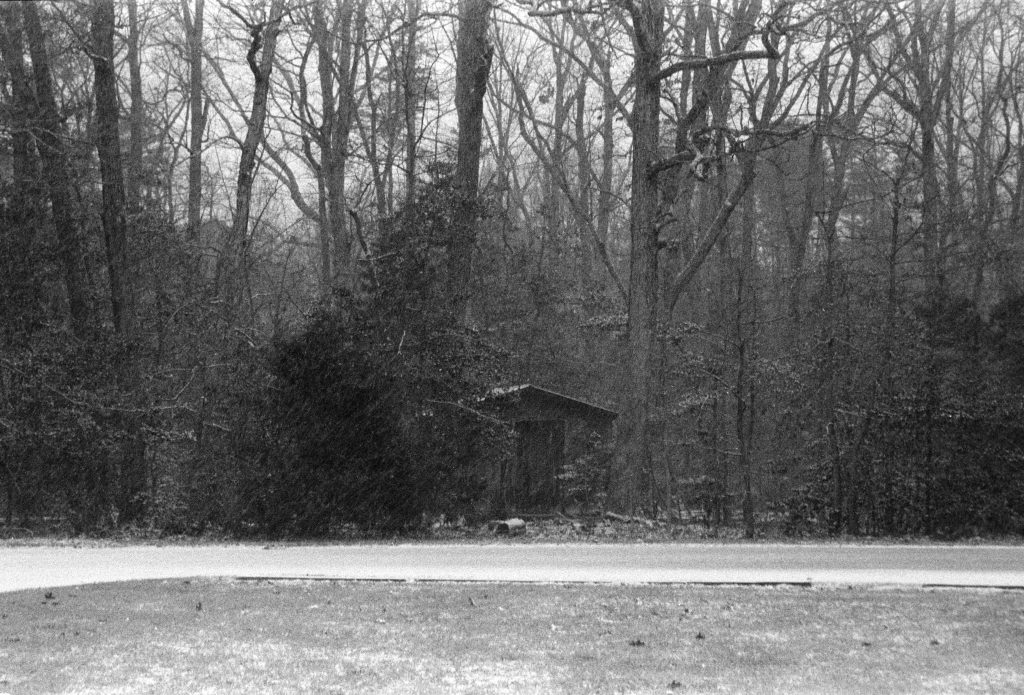
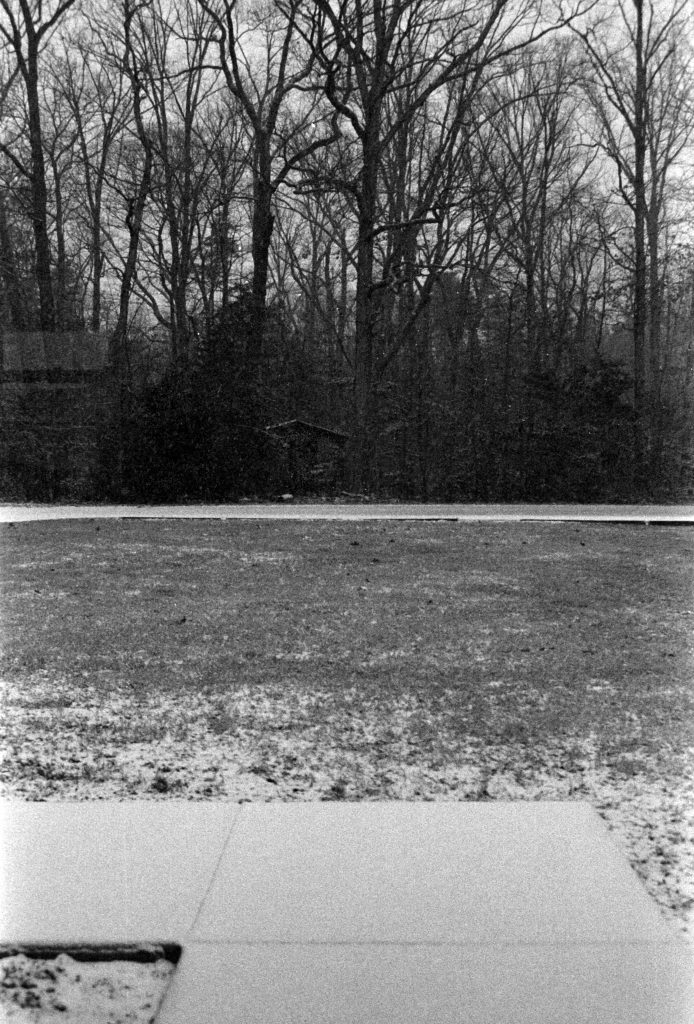
This picture was heavily edited, not only for artifacts but brightness as well. I had to even it out quite a bit in post.

I also got an appropriate flash for the camera. Now it fires every time, and I can tell it is communicating with the camera. That should make things easier.
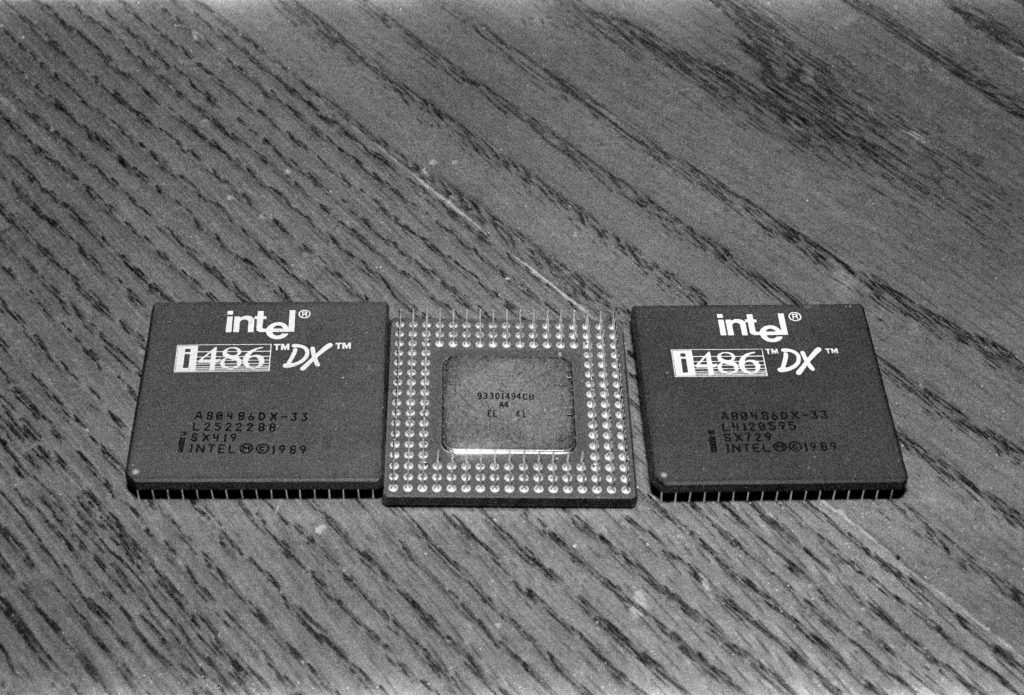
I took this one as a test of the pulling process. I used the original zoom lens, which also has a macro feature on it. The underside of the middle processor should have some scratches visible, but the grain still obstructs most of the detail.

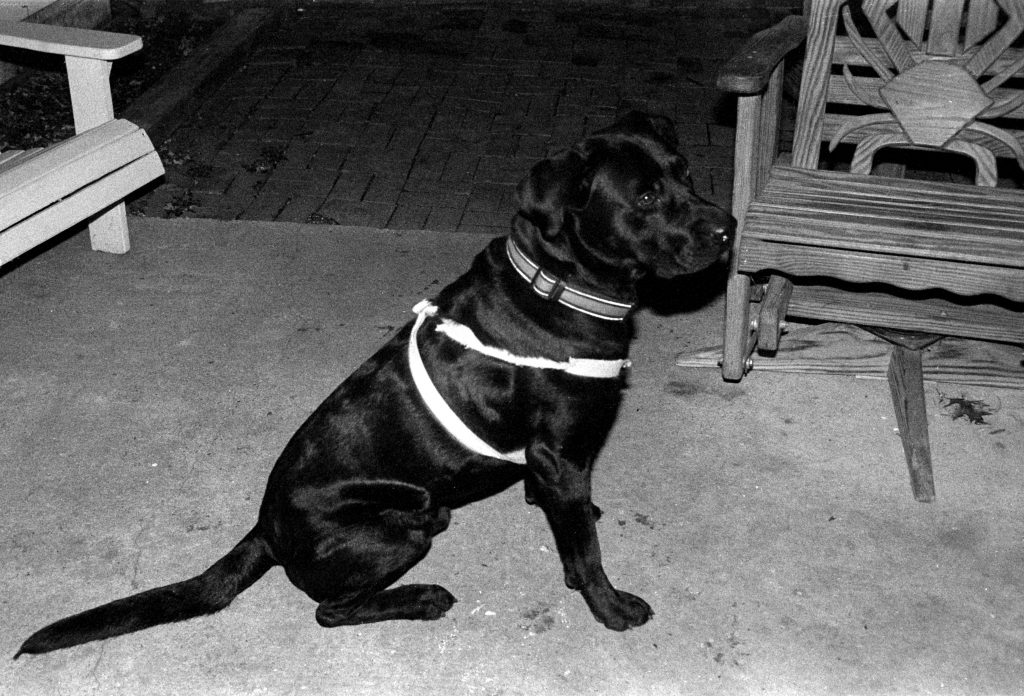
This is Buddy, Sam’s brother. The new flash did quite well.
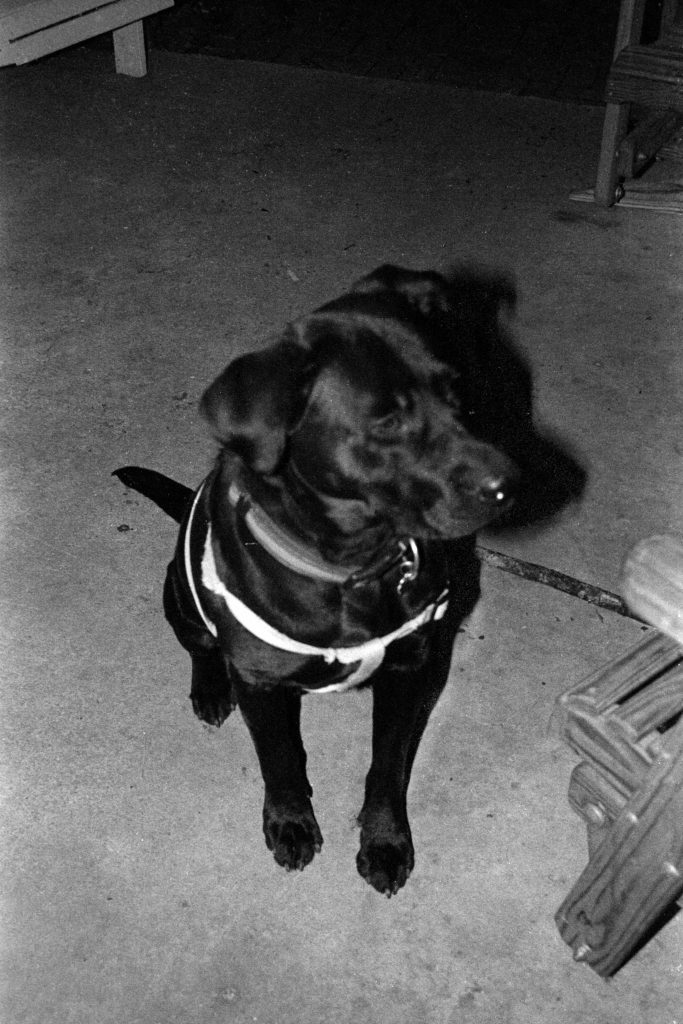
Focus on constantly moving animals is… challenging.
